
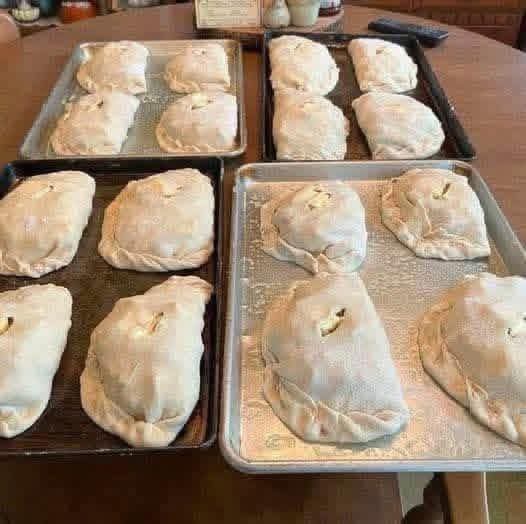
Traditional Cornish Beef Pasties: A Hearty British Classic Baked to Golden Perfection
Cornish beef pasties are one of those timeless recipes that tell a story with every bite. Rustic, filling, and deeply comforting, they are a true symbol of traditional British home cooking. With a flaky, buttery pastry wrapped around a savory mixture of beef, potatoes, vegetables, and herbs, the Cornish pasty has endured for generations—not because it is fancy, but because it is reliable, nourishing, and incredibly satisfying.
Originally created as a practical meal for miners in Cornwall, England, beef pasties were designed to be handheld, hearty, and able to stay warm for hours. Today, they remain just as beloved, whether served fresh from the oven for dinner, packed for lunch, or frozen for later enjoyment. This recipe honors that tradition while being approachable for the modern home cook.
In this complete guide, you will learn everything you need to know about making authentic-style Cornish beef pasties at home—from preparing a tender, flaky dough to creating a perfectly seasoned filling and baking them to golden brown perfection. You will also find tips, variations, storage advice, and common mistakes to avoid so your pasties turn out beautifully every time.
The History and Heritage of Cornish Pasties
The Cornish pasty has deep roots in British culinary history, dating back several centuries. Originating in Cornwall, a coastal region in the southwest of England, the pasty became especially popular among tin miners during the 18th and 19th centuries.
Miners needed a filling, portable meal that could withstand long hours underground. The thick pastry crust acted as both a container and a handle, allowing miners to eat without contaminating their food with dirty hands. Traditionally, the crimped edge was discarded after eating, making the meal both practical and hygienic.
While strict traditional Cornish pasties are made with raw beef, potatoes, onions, and swede, wrapped in shortcrust pastry and baked together, many modern versions adapt the recipe slightly for convenience and flavor. This recipe stays true to the spirit of the original while using accessible ingredients and a method that ensures consistent results.
Why This Cornish Beef Pasties Recipe Works
This recipe balances authenticity with practicality. The dough is rich and tender, thanks to cold butter and proper chilling. The filling is deeply flavorful, using beef, potatoes, carrots, onion, herbs, and Worcestershire sauce to create a savory, comforting interior that holds together beautifully.
Browning the beef before assembling the pasties ensures a rich, developed flavor and prevents excess moisture from soaking the pastry. Dicing the vegetables evenly allows them to cook uniformly, while herbs like rosemary and thyme add warmth without overpowering the dish.
Whether you are making these pasties fresh or preparing them for freezing, this method delivers consistent, bakery-quality results.
Ingredients Overview
Cornish beef pasties rely on simple, humble ingredients. Each one plays an important role in the final result.
For the Dough
- All-purpose flour – 3 cups
Provides structure while remaining tender. - Salt – 1 teaspoon
Enhances flavor throughout the pastry. - Unsalted butter – 1/2 cup (1 stick), chilled
Creates flakiness and rich flavor. - Cold water – 1/2 cup
Brings the dough together without melting the butter. - Egg yolks – 2, divided
Adds richness to the dough and shine to the finished pasties.
For the Filling
- Ground beef or chopped roast beef – 1 lb
- Waxy potatoes (red or Yukon gold) – 1 lb, diced
- Carrots – 2, peeled and diced
- Small onion – 1, diced
- Worcestershire sauce – 2 tablespoons
- Garlic – 2 cloves, minced
- Dried rosemary – 1/2 teaspoon
- Dried thyme – 1/2 teaspoon
- Kosher salt and freshly ground black pepper – to taste
How to Make Cornish Beef Pasties Step by Step
Step 1: Prepare the Dough
In a large mixing bowl, whisk together the flour and salt until evenly combined. Cut the chilled butter into small cubes and add it to the flour mixture.
Using two forks, a pastry blender, or your fingertips, work the butter into the flour until the mixture resembles coarse crumbs with some pea-sized pieces remaining. These bits of butter are essential for creating a flaky texture.
In a small bowl, mix the cold water with one egg yolk. Add this mixture to the flour and gently mix until the dough begins to come together.
Turn the dough out onto a clean surface and knead lightly until it forms a cohesive ball. Avoid overworking the dough, as this can make it tough.
Wrap the dough tightly in plastic wrap and refrigerate for at least 30 minutes. Chilling allows the gluten to relax and keeps the butter cold, which is key for a tender crust.
Step 2: Prepare the Filling
Heat a large skillet over medium-high heat. Season the ground beef with salt and pepper and cook until browned and no longer pink. Break it into small pieces as it cooks.
Transfer the cooked beef to a bowl and set aside.
In the same skillet, add the diced potatoes, onion, and carrots. Cook for 6–8 minutes, stirring occasionally, until the vegetables are mostly softened. If the pan is dry, add a small amount of olive oil or butter.
Add the minced garlic, rosemary, and thyme. Cook for about 1 minute, until fragrant.
Stir in the Worcestershire sauce and cook for another minute.
Combine the vegetable mixture with the cooked beef. Season to taste with additional salt and pepper. Set aside and allow the filling to cool completely before assembling the pasties.
Step 3: Assemble the Pasties
Preheat your oven to 400°F (200°C). Line a baking sheet with parchment paper.
Lightly flour a clean work surface. Divide the chilled dough into six equal portions. Roll each portion into a circle approximately 3/8-inch thick.
Moisten the edges of the dough with water. Spoon the cooled filling onto slightly less than half of each dough circle, leaving a 1/2-inch border.
Fold the dough over the filling to form a half-moon shape. Press the edges together firmly, then crimp with your fingers or a fork to seal.
Transfer each pasty to the prepared baking sheet. Cut three small slits in the top of each pasty to allow steam to escape.
Step 4: Egg Wash and Bake
Whisk the remaining egg yolk with 2 tablespoons of water. Brush this egg wash generously over the tops of the pasties.
Bake in the preheated oven for 30–40 minutes, or until the pasties are golden brown and crisp.
Remove from the oven and allow to cool slightly before serving.
Freezing and Make-Ahead Instructions
Cornish beef pasties freeze exceptionally well, making them ideal for meal prep.
If freezing, skip the egg wash and bake the pasties for only 20 minutes. Allow them to cool completely, then freeze in airtight containers.
When ready to bake, brush frozen pasties with egg wash and bake at 400°F for an additional 20 minutes, or until heated through and golden.
Serving Suggestions
- Serve with a simple green salad
- Pair with steamed vegetables
- Enjoy with brown gravy or mustard
- Serve as a complete meal on their own
Variations and Customizations
Vegetable Additions
- Swede or turnip
- Peas
- Mushrooms
Meat Alternatives
- Leftover roast beef
- Ground turkey or chicken
Seasoning Ideas
- Add smoked paprika
- Use fresh herbs instead of dried
- Add a pinch of nutmeg for warmth
Common Mistakes to Avoid
- Overworking the dough
- Assembling with hot filling
- Overfilling the pasties
- Skipping vent slits
Frequently Asked Questions
Can I use store-bought pastry?
Yes, though homemade dough offers better flavor and texture.
How long do pasties keep?
Up to 3 days refrigerated or 3 months frozen.
Can I make smaller pasties?
Absolutely. Adjust baking time accordingly.
Final Thoughts
Cornish beef pasties are a celebration of simple ingredients, careful preparation, and time-honored tradition. They are hearty, comforting, and endlessly satisfying—perfect for family meals, gatherings, or make-ahead cooking.
Once you master this recipe, you will understand why pasties have stood the test of time. Golden, flaky pastry filled with savory goodness is always a winning combination.
A true classic—baked, crimped, and filled with comfort in every bite.