
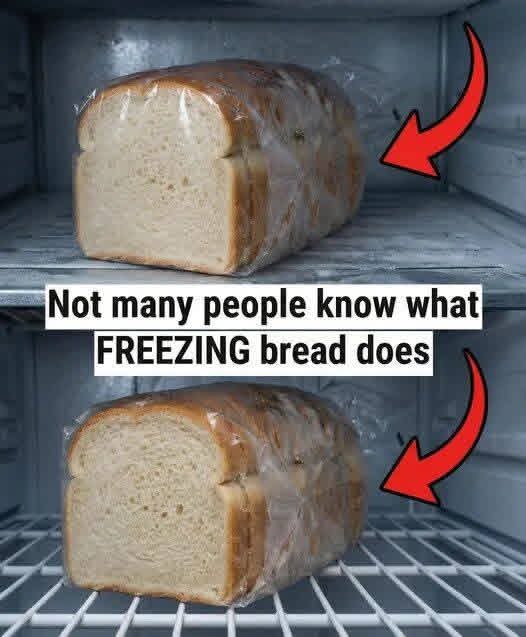
The Right Way to Freeze Bread for Maximum Freshness
In a house with two hungry boys, bread doesn’t just disappear—it vanishes. Sandwich loaves, burger buns, bagels, and breakfast muffins barely last a day. That’s why stocking up during sales and freezing extra bread has become a household habit. Freezing bread is one of the easiest ways to save money, reduce food waste, and make busy mornings smoother.
But there’s a catch. Freeze bread the wrong way, and you’ll end up with dry, stiff slices coated in freezer frost. We’ve all been there—pulling bread from the freezer only to find it stuck together in a solid block or tasting stale the moment it thaws.
The good news? Freezing bread properly is simple. With the right method, bread stays soft, fresh-tasting, and easy to grab one slice at a time.
Why Bread Goes Bad in the Freezer
Freezer burn and stale flavor don’t happen because bread is frozen—they happen because it’s frozen incorrectly.
The most common problems include:
- Trapped air inside packaging, which dries out bread
- Moisture loss from poor sealing
- Slices freezing together, making it hard to separate
- Uneven freezing that damages texture
Bread is especially sensitive to air exposure. Even a small amount can cause it to lose moisture and develop that familiar freezer taste.
The Best Way to Freeze Bread
1. Freeze While Fresh
The best time to freeze bread is the day you bring it home. Freezing does not improve quality—it preserves it. If bread is already stale when it goes into the freezer, it will still be stale when it comes out.
If the loaf isn’t pre-sliced, slice it evenly before freezing. This makes it easier to remove only what you need later.
2. Pre-Freeze the Slices
This step makes all the difference.
Line a baking sheet with parchment paper and arrange bread slices in a single layer. Make sure they are not touching.
Place the tray in the freezer uncovered for 1–2 hours, just until the slices are firm.
This prevents slices from sticking together later and allows you to grab one or two pieces at a time.
3. Seal and Store Properly
Once the slices are firm, transfer them to a resealable freezer bag.
- Press out as much air as possible
- Seal tightly
- For extra protection, double-bag or wrap the bag in aluminum foil
The less air inside the packaging, the better your bread will taste when thawed.
4. Keep It Flat
Store bread flat in the freezer. This keeps slices from bending or breaking and makes it easier to grab exactly what you need.
Flat storage also helps bread freeze evenly, preserving texture.
5. Thaw or Toast
When you’re ready to eat:
- Remove only the slices you need
- Return the rest to the freezer immediately
Bread thaws on the counter in just a few minutes. For toast, you can put slices straight into the toaster using the defrost setting—no thawing required.
What Types of Bread Freeze Well?
Most breads freeze beautifully when handled correctly, including:
- Sandwich loaves (white, wheat, multigrain)
- Burger and hot dog buns
- Bagels
- English muffins
- Homemade quick breads
- Breakfast muffins
Crusty artisan loaves can also be frozen, but they are best sliced first and reheated in the oven to restore texture.
How Long Can Bread Stay in the Freezer?
For best quality:
- 1–3 months: Excellent freshness
- 3–6 months: Still safe, slight texture changes possible
Labeling freezer bags with the date helps ensure bread is used while still at its best.
Common Freezing Mistakes to Avoid
- Freezing bread in its original thin plastic bag
- Not removing air from freezer bags
- Freezing bread already past its prime
- Letting bread thaw and refreeze repeatedly
Each of these mistakes increases moisture loss and leads to stale flavor.
Why This Method Works
This approach locks in freshness by:
- Preventing slices from sticking together
- Reducing air exposure
- Freezing bread quickly and evenly
- Making portion control easy
The result is bread that tastes fresh, soft, and ready whenever you need it—without waste.
Final Thoughts
Freezing bread the right way is a small habit that makes a big difference. It saves money, reduces food waste, and keeps quick meals within reach for busy households.
Instead of throwing away half a loaf or rushing to the store, you’ll always have bread ready to go—slice by slice.
With this method, freezer bread stops tasting like freezer bread. It’s fresh, convenient, and one less thing to worry about in everyday life.
Simple habits like this keep kitchens running smoothly—and hungry families happy.