
Pulled Out Some Stale Bread from the Pantry—What Should I Do?
We’ve all been there. You reach into the pantry expecting a soft slice of bread, only to pull out a loaf that feels more like a brick than breakfast. Dry. Hard. Uninviting. Your first instinct might be to toss it straight into the trash.
But then comes that familiar voice—maybe your mother-in-law’s, maybe your grandmother’s—asking, “Why waste it?”
Before you throw that loaf away, let’s slow down for a moment. Stale bread is one of the most misunderstood foods in the kitchen, and in many cases, it’s still incredibly useful. In fact, some of the best comfort foods and classic recipes were designed to use bread that’s past its prime.
Let’s break it down: what stale bread really is, whether it’s safe to eat, and all the smart, delicious ways you can give it a second life.
Understanding Stale Bread: What Does “Stale” Really Mean?
When bread goes stale, it hasn’t necessarily gone bad. Staleness is a natural process called retrogradation. Over time, the starch molecules inside the bread begin to crystallize, pushing moisture out of the crumb.
The result?
- A dry, firm texture
- A loss of that soft, fresh-baked feel
- A loaf that feels tough or chewy
Here’s the key takeaway: stale bread is about texture, not safety.
Bread can become stale in as little as one or two days—especially homemade bread or bakery loaves that don’t contain preservatives. That doesn’t mean it’s spoiled. It simply means the moisture has redistributed.
Is It Safe to Eat Stale Bread?
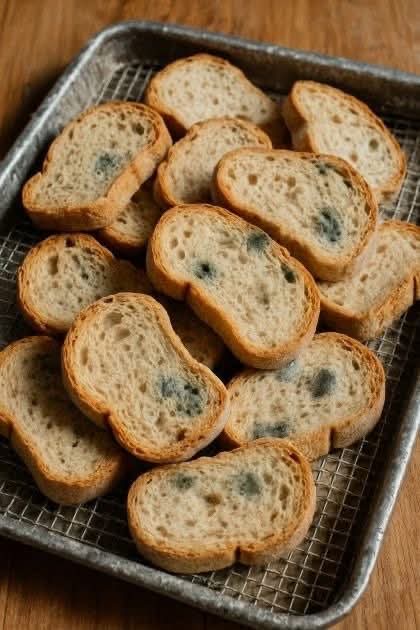
In most cases, yes—stale bread is perfectly safe to eat, provided there is no mold.
When to Throw Bread Away
Do not eat the bread if you notice:
- Fuzzy green, white, black, or blue spots
- A sour or musty smell
- A damp, slimy, or sticky texture
If mold is present, discard the entire loaf immediately. Cutting off the moldy section is not enough—mold spores can spread invisibly throughout the bread.
When It’s Still Good
If the bread is simply:
- Dry
- Hard
- Chewy or tough
Then congratulations—you’re holding an ingredient, not trash.
Why Tossing Stale Bread Is a Bigger Deal Than You Think
Bread is one of the most wasted foods in the world. Globally, over 1.3 billion tons of food are wasted each year, and bread plays a major role in that statistic.
When bread is thrown away:
- The water used to grow the wheat is wasted
- The energy used to bake and transport it is wasted
- The labor behind every loaf is wasted
And when bread decomposes in landfills, it releases methane—a greenhouse gas far more potent than carbon dioxide.
Repurposing stale bread isn’t just frugal. It’s environmentally responsible.
How to Revive Stale Bread
Yes, you can actually bring bread back from the brink.
Oven Revival Method
- Lightly sprinkle the crust with water (don’t soak it)
- Wrap the loaf in aluminum foil
- Bake at 350°F (175°C) for 10–15 minutes
This rehydrates the starches and restores warmth and structure. The crust becomes crisp, and the inside softens beautifully.
Best for: Artisan loaves, baguettes, rolls, and rustic bread.
Delicious Ways to Repurpose Stale Bread
Stale bread is actually better than fresh bread for many recipes. Its dryness allows it to absorb flavors without falling apart.
Bread Pudding
Stale bread soaks up custard perfectly, creating a rich, comforting dessert.
Croutons
Cube the bread, toss with olive oil and herbs, and bake until golden.
Breadcrumbs
Pulse in a blender or food processor. Store for breading, meatballs, or casseroles.
Stuffing or Dressing
Dry bread is essential for classic holiday stuffing.
French Toast
Stale bread holds its shape better and doesn’t turn soggy.
Panzanella Salad
A traditional Italian salad made specifically with stale bread.
Pro Tips for Storing Bread Better Next Time
- Store bread at room temperature, not in the fridge
- Freeze extra loaves or slices for long-term storage
- Use bread boxes or paper bags for bakery bread
- Slice before freezing for easy use
Freezing bread pauses staling completely and allows you to thaw slices as needed.
Final Thoughts
So, what should you do when you pull stale bread from the pantry?
Pause. Look. Smell.
If there’s no mold, you’re not holding waste—you’re holding potential.
From cozy bread pudding to crunchy croutons, stale bread has earned its place in kitchens for generations. Long before preservatives and plastic bags, cooks relied on ingenuity, not waste.
Your mother-in-law might be right after all. And next time, you might just find yourself hoping the bread goes stale.