
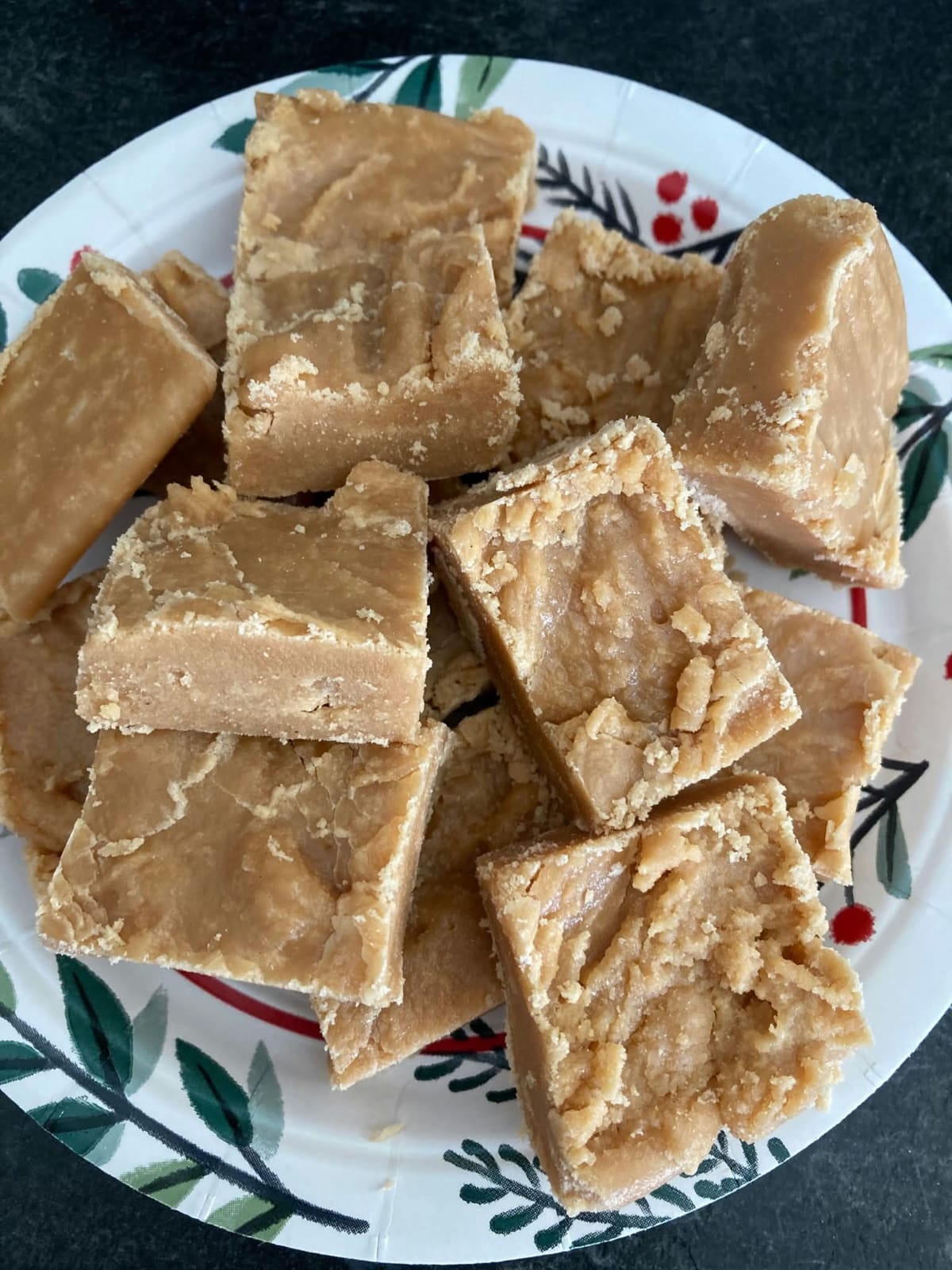
Scottish Tablet (Traditional Scottish Candy Recipe)
Scottish Tablet is a beloved traditional confection that has been enjoyed across Scotland for generations. With its rich buttery sweetness, crumbly yet creamy texture, and irresistible caramelized flavor, this old-fashioned treat is a staple at celebrations, holidays, weddings, and family gatherings. Often compared to fudge, Scottish Tablet is actually quite different — it’s firmer, grainier, and more intensely sweet, making it uniquely satisfying in small pieces.
This recipe walks you through everything you need to know to make perfect Scottish Tablet at home, from its fascinating history to step-by-step instructions, helpful tips, flavor variations, storage advice, and common troubleshooting questions.
The History of Scottish Tablet
Tablet dates back centuries and was traditionally made using only sugar, cream, and butter — long before condensed milk became widely available. It was originally prepared for special occasions due to the high cost of sugar and dairy. Over time, condensed milk was added to the recipe, making it easier to achieve consistent texture and richness.
Tablet is often served at Hogmanay (Scottish New Year), weddings, christenings, and afternoon tea. It represents hospitality, celebration, and tradition — often gifted in decorative tins or wrapped in parchment paper.
Ingredients
- 4½ cups granulated white sugar
- 1 cup whole milk
- 1 (14 oz) can sweetened condensed milk
- 6 tablespoons salted butter
- Optional: 1 teaspoon vanilla extract or 1 tablespoon whisky
Why These Ingredients Matter
Sugar forms the structure and sweetness of the tablet.
Whole milk provides creaminess and helps dissolve the sugar.
Condensed milk adds richness and helps achieve the classic texture.
Butter brings depth of flavor and smooth mouthfeel.
Step-by-Step Instructions
- Grease and line a 9×13 inch pan with parchment paper.
- In a microwave-safe bowl, combine sugar, milk, and butter. Heat in 30-second intervals, stirring until melted and dissolved.
- Transfer to a deep saucepan and bring to a boil over medium-high heat.
- Add condensed milk and reduce heat to medium.
- Simmer for 15–20 minutes, stirring frequently until thick and caramel-colored.
- Remove from heat at 240–248°F (soft ball stage).
- Beat the mixture for 8–10 minutes until thickened and matte.
- Pour into prepared pan and gently tap to level.
- Score after 10 minutes and let set 2–4 hours or overnight.
- Cut into squares and enjoy.
Flavor Variations
- Vanilla Tablet – Add 1 teaspoon vanilla.
- Whisky Tablet – Add 1 tablespoon Scotch whisky.
- Chocolate Tablet – Stir in ½ cup melted dark chocolate.
- Sea Salt Tablet – Sprinkle flaky salt on top before setting.
- Nut Tablet – Fold in chopped almonds or pecans.
Storage Instructions
Store in an airtight container at room temperature for up to 2 weeks. Refrigeration is not necessary and can cause unwanted moisture. Freeze for up to 3 months.
Gifting Ideas
- Wrap pieces in parchment and twine.
- Package in decorative tins.
- Add to holiday cookie boxes.
- Label with handwritten recipe cards.
Troubleshooting
Too soft? It didn’t reach soft-ball stage — cook longer.
Too hard? It was overheated — reduce cooking time next time.
Grainy? Not beaten enough.
Frequently Asked Questions
Is tablet the same as fudge? No. Tablet is firmer, grainier, and sweeter.
Can I make it without condensed milk? Yes, but it’s more difficult and less forgiving.
Is tablet gluten-free? Yes.
Can I double the recipe? Yes, use a larger pan and pot.
Final Thoughts
Scottish Tablet is more than just candy — it’s a taste of tradition. Simple ingredients, a bit of patience, and a love for homemade sweets are all you need to recreate this classic treat at home. Whether you’re gifting it, sharing it, or savoring it yourself, Scottish Tablet is a delightful reminder that the simplest recipes often bring the greatest joy.